
Homepage
Culture Not Evidence
A campaign dedicated to stopping and reversing the criminalization of hip-hop culture.
Welcome to Culture Not Evidence, a campaign of Howard University School of Law’s Criminal Justice Clinic.
This campaign is dedicated to addressing and challenging the troubling prosecutorial tactic of using rap lyrics, music videos, and other forms of hip-hop expression as criminal evidence. The tactic ignores and tramples on rap’s artistic, cultural, and expressive dimensions, while reinforcing harmful stereotypes. It also raises serious constitutional, evidentiary, and racial justice concerns.
The Culture Not Evidence site provides resources for defense attorneys, scholars, students, and advocates who are working to expose and resist the criminalization of hip-hop. Here you will find:
- A repository of scholarship exploring the intersection of rap, criminal law, racial justice, and evidence.
- Practical tools and resources to support defense lawyers in cases where rap expression is weaponized.
- Directory of hip-hop experts who are ready to serve as defense experts in cases where rap expression is weaponized.
- Educational materials to equip scholars, journalists, students, attorneys, advocates, and the public with a deeper understanding of the issues and stakes when rap artistic expression is misused as evidence.
By connecting law, scholarship, and rap culture, the mission here is clear: to ensure that rap artistic expression receives the same constitutional protections and respect by the criminal legal system granted to other art forms. In short, we aim to shift the narrative: rap is culture, not evidence.
*This website is supported by financial support from the Warner Music Group/Blavatnik Family Foundation Social Justice Fund.
SCHOLARSHIP FEATURE
Poetic (In)Justice? Rap Music Lyrics as Art, Life, and Criminal Evidence
by Andrea Dennis
December 17, 2007
The Takeaway: A key foundation of the “rap on trial” scholarly movement, this Article challenges the biases, assumptions, and questionable evidentiary reasoning behind courts admitting defendant-authored rap lyrics as criminal evidence. Part I documents the admission of rap music lyrics composed by defendants as substantive evidence in criminal cases. Part II seeks to debunk the judicial assumptions revealed in Part I by discussing the commercialization of the rap music industry, notions of authenticity in rap music, and the poetics (i.e., artistic conventions) of rap music lyrics. Part III applies the information from Parts I and II to demonstrate that defendant-authored rap music lyrics are of questionable evidentiary quality. Part IV suggests a framework that may be employed when evaluating the admissibility and credibility of lyrical evidence.
Read the Full ArticleConnect with Experts
Get help from experts who can provide defense expert testimony and/or consulting expertise.
Find an ExpertBrowse Curated Scholarship
Find help and inspiration from a curated collection of scholarship on the intersection of rap, criminal law, evidence, and racial justice.
Our Scholarship LibraryRaising awareness and advancing justice
EXPERT SPOTLIGHT
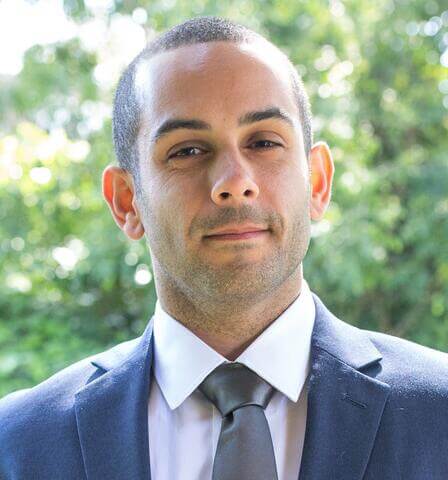
Dr. Adam Dunbar researches how attitudes about race, culture, and crime contribute to racial disparities in the criminal justice system. His study of the intersection of race and criminal justice system includes exploring the racial justice implications of the use of rap artistic expression as criminal evidence. Dr. Dunbar has conducted experiments and published studies exposing how biases about rap music may impact juror assessments of rap evidence in criminal trials.
Scholarship LibraryLucius Outlaw III
Professor of Law, Howard Law School
The criminalization of hip-hop rests on the misunderstanding, fear, and devaluing of a vibrant and impactful piece of Black culture. Legal advocacy that educates and resists this criminalization is needed to force the legal system to respect hip-hop the same way it does other art forms.